Transform Your Second Grade Measurement Unit with These 15 Engaging Lesson Plans & Activities
If you’ve been around my blog a while, you already know that my Second Grade Measurement Unit is one of my absolute FAVORITE things to teach. Teaching measurement is hands-on, engaging, full of movement, and easy to connect to the real world. As teachers, you know kids seem to go wild for anything that involves rulers, scavenger hunts, and fun activities! Every year, when it’s time for our Second Grade Measurement Unit, the vibe in the classroom shifts. Kids are suddenly so ready to jump up, explore, compare, and estimate!
So today I’m sharing everything I use year after year in my Second Grade Measurement Unit: the lessons, the hands-on activities, the centers, the books, and the little tricks I swear by.
Grab your coffee, pretend we’re chatting during planning time, and let’s dive in!
Starting with Nonstandard Units: Where the Fun Begins
 These concrete rulers can easily be extended to 12 units instead of 10.
I always start my Second Grade Measurement Unit with nonstandard units. It builds confidence and helps students truly understand the “why” behind measurement before we throw rulers into the mix.
I like beginning with concrete colored rulers. They’re basically inch-block rulers that can be 10 or 12 units long, depending on how you build them. Students use them to measure EVERYTHING: pencils, books, their hands, the leg of a chair, the length of the table, you name it.
The best part? It helps students make the transition from nonstandard to standard units much easier.
Measuring Penny— A Classroom Staple That Never Gets Old
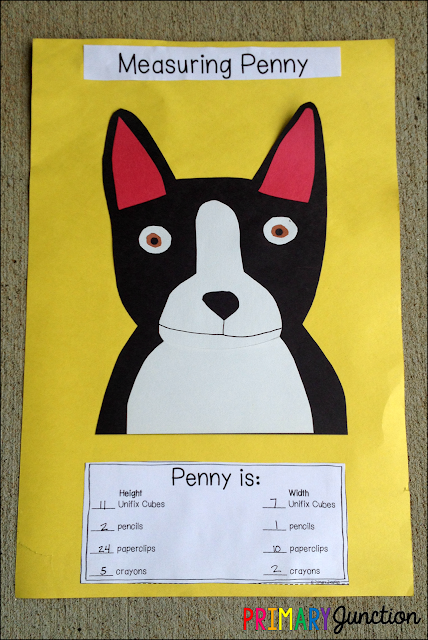
If I had to choose only one book to introduce measurement, it would always be Measuring Penny by Loreen Leedy. This book + second graders = gold.
I read it every single year during our Second Grade Measurement Unit, and it’s the perfect anchor text for everything that comes afterward.
After reading, we always do:
-
a Penny craftivity (students adore this!)
-
a measurement-based homework assignment that ties directly to the story
Kids love it, and honestly, I love it, too.
Using Measurement Booklets to Build Background Knowledge
Before we dive deep into rulers and line plots, I like to pause and build understanding about how measurement connects to real life.
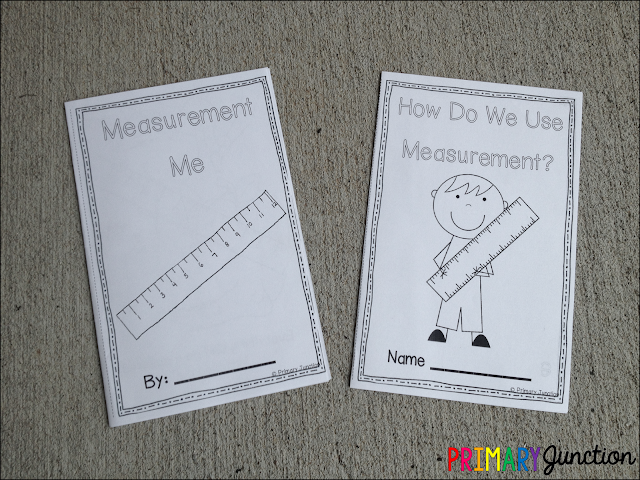
So I use two booklets:
-
“How Do We Use Measurement?” Emergent Reader
-
SUPER simple
-
Helps students see measurement everywhere
-
Great for literacy integration
-
-
A Mini-Book of Measurements
-
Used later in the unit
-
Helps students compare U.S. Standard and Metric systems
-
I’ve noticed that using booklets makes the learning feel more portable and personal—students take them home, reference them, and use them as anchor tools during lessons.
Our Favorite Lesson: Becoming Official Zookeepers
Okay, this activity is a FAN FAVORITE every single year.
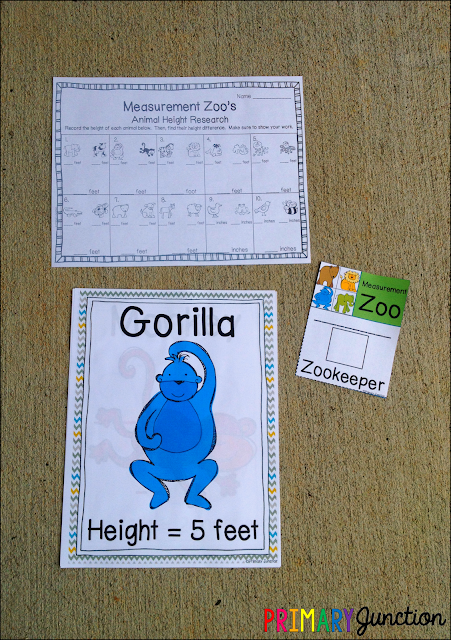
During our Second Grade Measurement Unit, students become Official Zookeepers. They receive animal cards with different heights and must compare and analyze length differences.
This lesson hits:
-
comparing lengths
-
subtraction in context
-
real-world reasoning
-
AND line plots
Not to mention, my students are convinced they are actual zookeepers for the day. Clipboard and all.
And yes, I fully lean into the role-play. I may or may not speak in an overly serious “zoo supervisor” voice.
Second Grade Measurement Unit Centers That Keep Kids Engaged
1. Community Dash
Students measure paths traveled by community helpers. Great for:
-
measuring paths
-
problem solving
-
estimating length

2. Farmer’s Market Shopping Trip
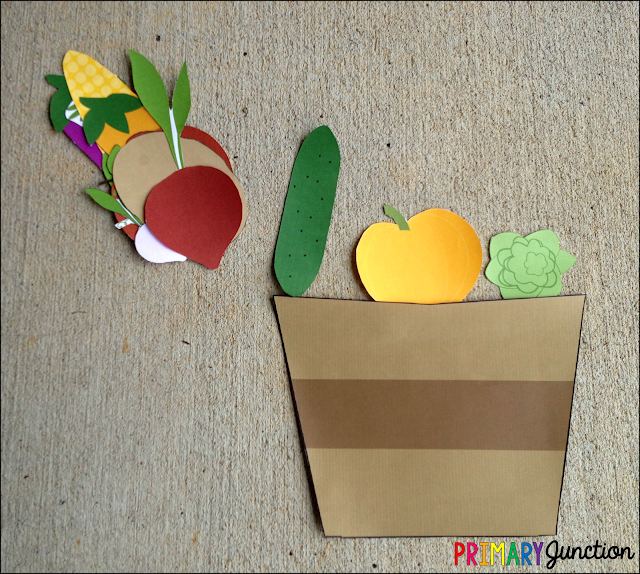
Students estimate heights, make non–exact measurements, and compare results using a line plot.
Line plots used to intimidate my kids, but I swear this center makes them feel fun.
3. A Camping Adventure
Students solve camping-themed measurement word problems.
I always tell them they’re earning “Camping Badges.” It works every time.

4. Art Company Mix-Up
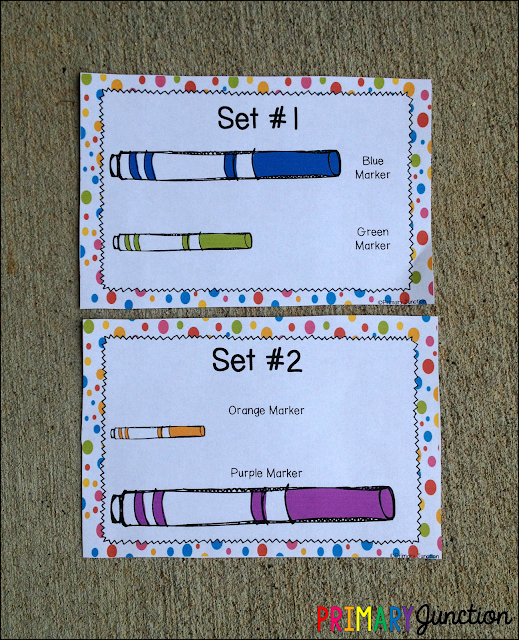
Students help solve a crisis at a marker factory where markers were incorrectly sized.
Kids LOVE fixing the mix-up and comparing marker lengths.
The Unit Scoot Board Game
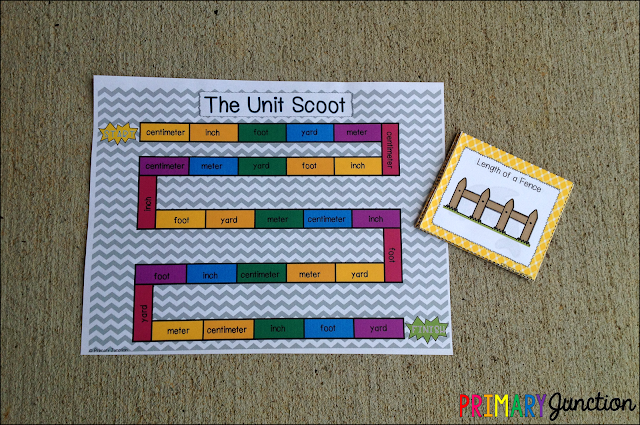
Students choose the most appropriate measurement unit.
Inches? Feet? Yards? Meters?
This center leads to such great discussion.
Second Grade Measurement Unit Daily Understanding Checks (Because We All Need Quick Data)
Every day of the Second Grade Measurement Unit, I use short daily checks—just a tiny handful of problems—so I can see exactly who understands what.
I like these because:
-
they take 2–3 minutes
-
kids don’t dread them
-
they’re perfect for morning work or homework
-
I can immediately adjust the next day’s lesson

What’s Included in the Full Second Grade Measurement Unit?
Honestly, after years of tweaking, rewriting, throwing lessons out, and adding new ones, this Second Grade Measurement Unit has become my “don’t teach measurement without this” binder. It includes everything I need so I’m not scrambling at the copier or searching Pinterest at 11 p.m.
It covers:
-
both Customary & Metric
-
nonstandard units
-
line plots
-
comparing lengths
-
choosing appropriate tools
-
estimating
-
word problems
-
number lines
-
daily checks
-
hands-on activities
-
centers
-
assessments
-
parent letters
-
teacher checklists
Basically, everything the standards ask for—but in a way kids actually enjoy.
Skills Students Master During the Second Grade Measurement Unit
This unit hits every major second-grade measurement standard, including:
-
using rulers, yardsticks, meter sticks, and measuring tapes
-
estimating in inches, feet, centimeters, and meters
-
measuring with two different unit sizes and comparing results
-
determining length differences
-
solving measurement word problems
-
building and using number lines
-
generating measurement data
-
creating line plots
By the time we wrap up the Second Grade Measurement Unit, students walk away feeling confident—and honestly, I think that’s what makes me love this unit so much.
Why a Strong Measurement Unit Matters (More Than We Realize)
omething I’ve learned over the years:
Measurement is one of the most foundational math concepts we teach in second grade.
Think about it:
-
Number lines = measurement
-
Graphing = measurement
-
Geometry = measurement
-
Word problems = measurement
-
Place value understanding = connected to measurement indirectly
A strong Second Grade Measurement Unit sets students up for success in SO many math areas later.
Final Thoughts
I hope this little refresh gave you some new ideas, inspiration, or just a spark of excitement for your next round of teaching measurement. I truly love this unit, and if you’re prepping for your own Second Grade Measurement Unit, I hope you’ll take some of these ideas and make them your own.
Thanks for stopping by and hanging out with me today!
Thanks for stopping by!